When Employees Become Data Points: The Human Side of Workforce Analytics
When numbers start telling employee stories
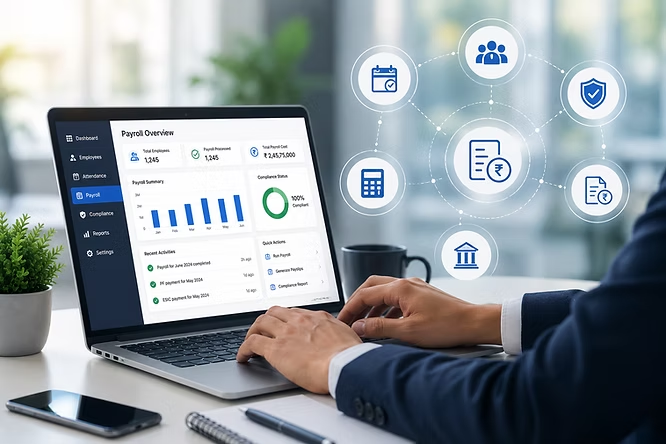
Every day, employees generate data through their activities. Activities such as onboarding, attendance, leaves, payroll, performance, and other work-related activities generate information which can be used by the organization to gauge how well the organization is managing its workforce.
However, information about employees is not just numbers alone. Each number represents a person and an experience at the workplace. It is therefore very important for Human Resource professionals and Management teams to know what the numbers are telling them.
Properly captured and organised information can provide organizations with valuable insights.
The problem with looking at data in isolation
One statistic does not always tell the full story.
While an increase in absenteeism may initially seem to be about attendance, it might actually be about an issue regarding workloads, dissatisfied staff, shortage of employees, or other problems in the workplace. Likewise, while an increase in worker turnover may need to be examined by HR in more depth than just the final tally.
The issue here is that data regarding the workforce is usually looked at in isolation. This means that while absenteeism data is here, payroll statistics are elsewhere, and performance metrics are maintained someplace else.
Finding the story behind the numbers
Looking at labor force statistics from a broader point of view can enable HR to see trends in the information.
For instance, frequent attendance problems among a specific department or group can prompt HR to examine workloads and schedules of those employees. An increase in turnover rates in a specific location may be an indication of something to consider. Hiring trends can show whether there have been any changes in the demands of the labour force.
The trends don't provide all the answers. They rather help HR and the management ask the right questions.
Here comes the human aspect of labour force analytics into play. The data will reveal the problem, but the reasons for it and the course of action will require some investigation by the right people.
From reports to real conversations
The goal of workforce information must not be just to generate yet another report that will be looked at and then put away.
Insights derived from data could spark an engaging conversation among HR personnel, managers, and employees. Rather than merely being aware that a certain statistic has changed, people could explore why the change occurred and is it a good sign or bad for the company and what needs to be done about it.
It could lead to a more thoughtful way of managing employees, as data informs and people interpret.
Where AI changes the picture
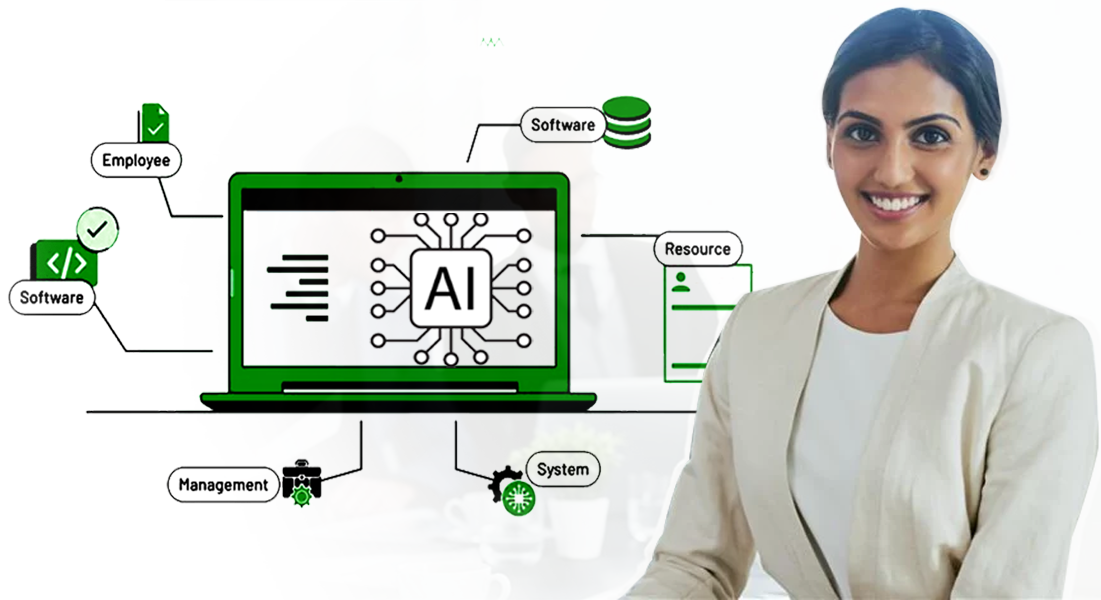
As companies gather more data on their workforces, AI can assist in making the data more accessible.
AI can spot patterns, detect anomalies, and assist teams in accessing relevant data without sifting through massive data sets by hand. It may even help in simplifying complicated data and gaining quick access to actionable insights.
But AI should assist humans in decision-making, not supplant them. After all, employee data is data about real people.
From workforce data to business intelligence
When workforce data is gathered effectively and analyzed, there is a chance of contributing to the larger picture of the business.
Here, business intelligence means making use of the workforce information to make trend predictions as well as improved thinking within the organization, as in case where employee patterns can help management see whether the workforce is stable and what resources are required.
The main thing to remember here is that business intelligence depends on useful data. It cannot be effective if the basic data is incomplete, fragmented, or inconsistent.
How TheCloudTree®.ai HCM Connects Data with Better Decisions
A connected approach could assist businesses in capturing the data related to their workforce from daily activities and organizing it in a structured manner.
TheCloudTree®.ai HCM acts as a basis for managing and analyzing workforce data for organizations while providing decision-makers with insights into the situation on the ground.
The idea is not to convert individuals into statistics but to harness data to get to know the person behind the statistic better.
Conclusion: Data should help HR understand people better
The greatest value of workforce data comes from the ability of data to reveal what lies beneath the surface.
A statistic can point out a pattern. The pattern can pose a question, which in turn can spark a discussion, lead to insight, or help make a better decision.
The integration of accurate workforce data and human insight in the business process enables a company to get more insights about its people.
Make your workforce data work harder
Are you ready to derive valuable insights from your workforce data? Check out TheCloudTree®.ai HCM and learn about how connecting workforce data could benefit your business in understanding its employees better.